Residential Cleaning
How to Prepare Your Home Before a Professional Cleaning Visit
A little preparation can make room access easier and cleaning priorities clearer. You do not need to clean the house before asking for help.
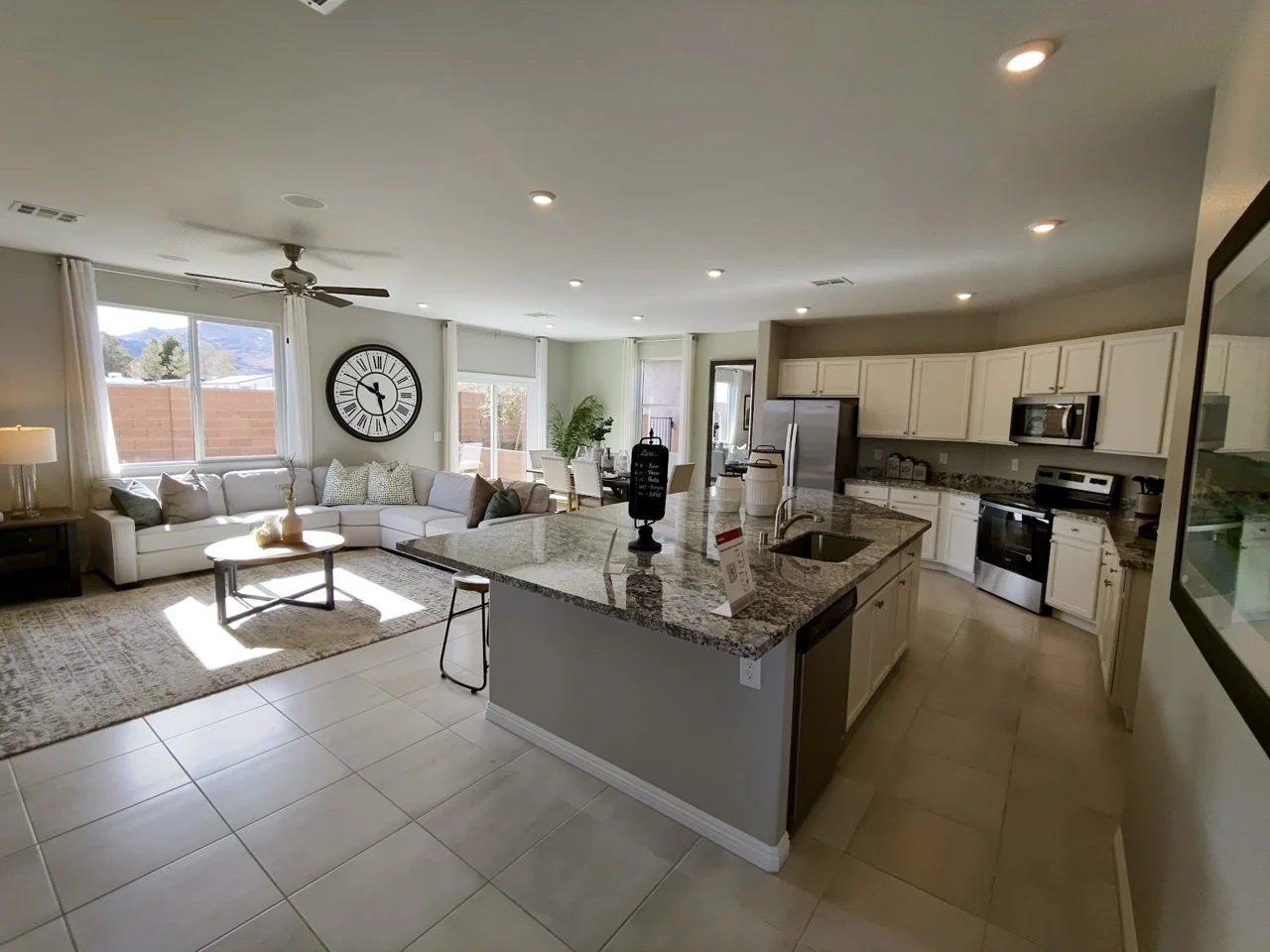
Preparing for a professional cleaning visit is about making the home accessible and communicating what matters to you. It does not mean scrubbing every room first. A few practical decisions about belongings, entry and room priorities can help reduce confusion before the visit.
Use this guide to organize those details, whether you own or rent your home. The actual work depends on the agreed cleaning scope and the condition of the space. Mention additional requests during the quote rather than assuming every task is automatically included.
Confirm What Type of Cleaning You Need
Start with the reason for the visit. Are you looking for everyday room care, more detailed attention to buildup, or cleaning as you leave a property? That context helps the conversation begin with the right priorities.
Describe whether this is a one-time request or whether you want to discuss recurring home cleaning. Explain the current condition and any particular rooms you have in mind. You do not need to know every service detail before asking for a quote.
If the visit is part of moving out, say when belongings will be removed. Cleaning before a property handover has different planning needs from cleaning an occupied home.
Clear Personal Belongings From the Main Cleaning Areas
Where practical, gather loose clothing, toys, papers and other personal items from the surfaces and floors you want cleaned. Put important documents and small valuables somewhere you can keep track of them.
The goal is access, not a spotless home. You do not need to do major cleaning first. If belongings cannot be cleared from a particular area, explain that before the visit so its limits can be discussed.
Do not assume that sorting possessions, deciding what to discard or removing unwanted items is part of the cleaning plan. Those decisions are best handled separately.
Decide Which Rooms Need Attention
Make a simple room list. Identify the rooms included in your request, the ones that matter most and any areas that should be left alone. This is especially helpful when only part of the home needs cleaning.
- List the kitchen, bathrooms, bedrooms and living areas you want discussed.
- Note which rooms are priorities and why.
- Identify occupied rooms or spaces that will not be accessible.
- Clearly mark areas that should not be entered or cleaned.
Share the list during the quote. A priority list helps explain the request, but it does not automatically add work beyond the agreed scope.
Make Surfaces and Floors Accessible
Clear an ordinary walking path through the rooms being discussed. Move loose personal items from accessible counters, tables and floor areas where you can do so safely. Leave heavy furniture and difficult items in place and describe any access limits.
Do not assume furniture moving is included. If a surface is blocked or an area cannot be reached, mention it during the quote rather than planning on someone rearranging the room.
Preparation can be modest: identifying the obstacle and explaining what will remain is useful when clearing the whole area is not practical.
Identify Areas That Need Extra Attention
Point out visible buildup, overlooked surfaces or areas that have been difficult to keep up with. Specific observations are more useful than asking for everything to be “extra clean.”
- Name the room and surface needing attention.
- Describe the buildup or condition you can see.
- Explain whether the area is accessible.
- Identify any related concern you are unsure about.
Keep wear, damage and repair needs separate from cleaning requests. The condition of a surface helps define the work; it does not guarantee that every mark can be removed.
Mention Special Surfaces or Materials
Tell the cleaner about delicate, unfamiliar or material-specific surfaces before work is agreed. Share any relevant care instructions you already have and identify areas that should be avoided.
If you do not know what a surface is made of, say so. Do not guess at a treatment or assume a specialty process is available. Discuss the surface and requested work during the quote so the plan does not depend on an unsupported assumption.
Share Access and Entry Instructions
Provide the correct address, ZIP code and any apartment or unit details. Explain whether someone will meet the cleaner or whether another entry arrangement needs to be discussed.
Mention gate arrangements, access windows or community instructions in advance. Coordinate actual keys, entry codes and other sensitive details directly through an agreed contact method rather than including them in a general quote message.
Make sure the contact coordinating the visit knows about any access changes. A preferred date or entry window is not a confirmed appointment until arrangements have been agreed.
Tell the Cleaner About Occupied Rooms, Pets or Access Limits
Explain if someone will be working, resting or using a room during the visit. Identify any areas that will need to remain closed or unavailable so the cleaning scope can reflect that.
Mention pets and any effect they have on room access or entry. Discuss the arrangements you will make before the visit; do not assume the cleaning service includes supervising, moving or caring for pets.
If an access limitation changes after the quote, communicate it before cleaning begins. Clear room-by-room information is more helpful than leaving the cleaner to discover restrictions on arrival.
Prepare Kitchens and Bathrooms
In the kitchen, clear accessible work surfaces where practical and identify the counters, sink, floors or other areas you want discussed. You are making space for the agreed work, not doing that work in advance.
In bathrooms, gather loose toiletries and personal items from counters or requested surfaces when practical. Point out fixtures or areas needing additional attention and any surfaces with particular care instructions.
Request appliance interiors and cabinet interiors separately. Name the specific appliance or cabinet, describe its condition and discuss what will be emptied. Interior work should be confirmed if included in your cleaning plan rather than assumed from a general kitchen request.
Decide What Should Stay in Place
Identify items that should not be moved, handled or cleaned. This may include delicate objects, personal work setups or belongings arranged for a particular purpose.
Be clear about the surface as well as the item. For example, explain whether a table is excluded entirely or whether you want to discuss only its accessible areas. Avoid leaving instructions that require someone to guess what matters to you.
If an item blocks requested work, discuss the limitation before the visit. Cleaning around remaining belongings depends on the agreed scope and access.
What Information to Include Before the Visit
Keep the main details together so the request is easy to understand. If something is unknown, explain that rather than estimating with false precision.
- Name, contact details and property address or ZIP code.
- Requested cleaning type and whether the home is occupied.
- Bedrooms, bathrooms and approximate size, if known.
- Rooms included, rooms excluded and your main priorities.
- Current condition and areas needing additional attention.
- Appliance-interior or cabinet-interior requests.
- Access arrangements, pets and occupied-room limitations.
- Preferred date and one-time or recurring needs you want to discuss.
The quote request starts a conversation about scope and availability. It does not reserve a date or automatically confirm additional tasks.
House Cleaning vs. Deep Cleaning — Know the Difference
House Cleaning may fit routine or everyday cleaning priorities in regularly used rooms. One-time or recurring needs can be discussed based on the home and the work requested.
Deep Cleaning may make sense when heavier buildup, overlooked surfaces or more detailed interior attention are the main concern. It does not automatically include every possible specialty task.
Neither service is inherently better. Choose based on the home’s condition and the attention needed. Describe what you see and discuss the scope rather than choosing solely by the service name.
A Simple Final Walk-Through Before Cleaning
Take a brief look at the areas in your cleaning plan. You are checking readiness and instructions, not inspecting whether the home is already clean.
- Check that the requested rooms can be accessed.
- Gather remaining loose personal items where practical.
- Confirm the rooms and objects that should be left alone.
- Make sure access and pet arrangements have been discussed.
- Share any changes to the condition, priorities or timing.
If something is not ready, communicate it. A clear explanation is more useful than rushing to do major cleaning before the visit.
Professional House Cleaning in the Las Vegas Area
LV Knights serves Las Vegas, Henderson and Summerlin. Share the location, rooms, condition and preferred timing so the cleaning plan can be discussed for your home.
The most useful preparation is straightforward: make accessible areas easier to reach, identify priorities and explain limitations. Leave the cleaning itself to the work that is agreed, and use the quote conversation to clarify anything uncertain.