Property Management
Common Area Cleaning Checklist for Las Vegas Property Managers
Walk the shared spaces, identify the cleaning priorities and organize the property details before requesting a quote.
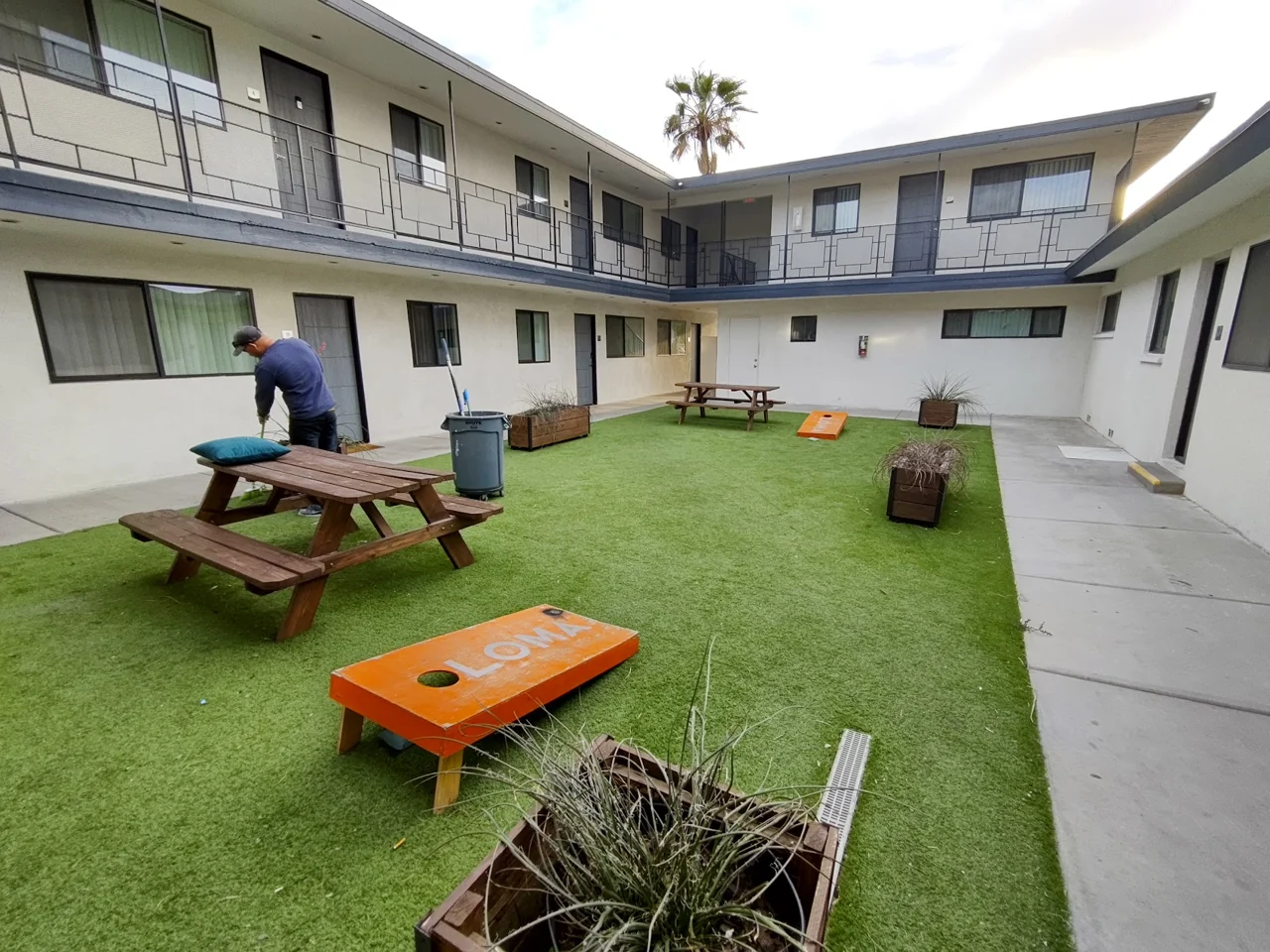
Common-area cleaning starts with knowing which spaces are part of the request. A property may have shared rooms, entrances or interior routes, while another has a very different layout. A useful checklist records the actual areas, their condition and the attention you want discussed.
Use this guide to organize a walk-through and prepare a quote request. It is not a list of tasks automatically included in LV Knights service. The work depends on the property, requested areas, current condition, frequency discussed and agreed cleaning scope.
Start With the Common Areas You Manage
List the shared spaces that fall within your request. Identify each one by building, floor or a familiar property name so the cleaning contact can distinguish it from private units, offices or areas managed separately.
- Record the property name and location.
- Name each common or shared area you want considered.
- Mark spaces that are outside the cleaning request.
- Identify the property contact responsible for clarifying the scope.
Do not assume every property has the same spaces. A short, accurate area list is more useful than a generic checklist filled with rooms that do not exist at your location.
Walk Through Entrances and Shared Spaces
Follow the routes people actually use and note the entrances or shared interior spaces that need attention, if applicable. Describe accessible surfaces and visible cleaning concerns rather than simply asking for the whole building to be cleaned.
Identify where the request begins and ends. For example, clarify whether you are discussing an entrance area, an adjoining shared room or a longer interior route. Keep any private-unit requests separate.
If an area is occupied or unavailable during part of the day, record that limitation. A walk-through should explain both what needs attention and what access is practical.
Review Floors and High-Use Areas
Look at the floors in the spaces you have listed. Note the material if known, visible buildup and sections receiving frequent use. Identify whether the concern affects the entire area or only a particular route or entrance.
- Describe the floor surface without guessing at an unfamiliar material.
- Note high-use sections and the condition you can see.
- Estimate the area if useful, clearly marking it as approximate.
- Record furniture or other obstacles that limit floor access.
If floors are the main focus, a separate floor-cleaning discussion may help clarify the scope. A common-area request does not automatically include a particular floor treatment or repair.
Identify Restrooms or Shared Utility Areas if Applicable
If the property has shared restrooms, identify their location and the surfaces you want discussed. Describe sinks, counters, fixtures, toilets, floors or other accessible areas relevant to the request. These are scope discussion points, not an automatic service checklist.
For any shared utility area, explain what the space is, how it is used and which accessible surfaces need attention. Flag restricted access or equipment that should not be handled. Do not assume the presence of a room means every item within it can be cleaned.
Keep equipment faults, plumbing issues and maintenance concerns separate. Discuss any uncertain or additional work during the quote instead of assigning it to the cleaning plan by default.
Note Visible Buildup and Areas Needing Extra Attention
Describe the current condition by area. Visible dust, residue or buildup in one shared room may call for a different conversation from a regularly maintained space elsewhere on the property.
Record the specific surface and why it needs attention. Separate everyday priorities from details requiring additional discussion, and identify areas that cannot currently be reached.
If the condition changes after the initial request, update the cleaning contact. An earlier description may no longer reflect the work being discussed, particularly if other activity has taken place in the space.
Separate Cleaning Needs From Repairs or Maintenance
A property walk-through often reveals more than cleaning needs. Keep repairs, painting, maintenance, damage correction, junk removal, landscaping and contractor work in separate categories. Do not assume LV Knights provides those services as part of cleaning.
- Cleaning notes should identify the surface and visible condition.
- Damage and repair notes should identify the issue separately.
- Outstanding contractor work should include the areas affected and expected sequence.
- Items awaiting removal should be distinguished from belongings staying in place.
This separation helps keep the cleaning scope clear. A courtyard photograph or property-condition image does not establish that cleaning included landscape work, repairs or removal services.
Consider One-Time vs. Recurring Cleaning Needs
Explain whether the request is for a one-time clean or whether you want to discuss recurring cleaning. LV Knights can discuss ongoing property-cleaning needs, but the frequency should come from the property conversation rather than an assumed set schedule.
For a recurring request, identify the areas involved, their current condition, access limitations and your preferred frequency. If an area needs extra attention at the start, distinguish that initial concern from the continuing priorities.
A desired frequency is a request, not a guaranteed schedule or contract. Confirm the scope and what can be arranged before planning around a regular visit.
Confirm Access and Building Instructions
Provide the correct building and area details, along with the property contact coordinating entry. Explain access windows, restricted spaces and any instructions that affect the requested cleaning.
Identify shared routes that other people may need to use and rooms that may be occupied. The property team should clarify its own access arrangements rather than assume the cleaning service includes resident coordination.
Discuss sensitive keys or codes directly through an agreed contact method. General notes can describe the entry arrangement without including confidential access information in an initial quote request.
Share Timing and Property Priorities
State the preferred timing and explain any property activity that could affect access. If other work is planned, identify which areas are involved and whether the sequence is still uncertain.
Make a short priority list so the request does not treat every area as equally urgent. Clarify which spaces you want discussed first and which can be considered separately, based on the agreed scope.
Timing and availability must be confirmed directly. A quote request does not reserve an appointment, and a property target date does not establish a guaranteed cleaning schedule or completion time.
What Information to Include in a Quote Request
Bring the walk-through notes together in a concise property summary. Keep the requested areas distinct and label anything you do not yet know.
- Property name, location, city and ZIP code.
- Contact name, phone and email for the person coordinating the request.
- Buildings, shared spaces and specific areas to be considered.
- Approximate size or layout information, if known.
- Current condition, visible buildup and areas needing extra attention.
- Floor materials or care instructions where relevant.
- Access limits, occupied areas and building instructions.
- One-time or recurring needs, preferred frequency and timing.
- Outstanding property work that could affect the cleaning plan.
Photos or written notes may help explain a concern. Ask how to share photographs, label them by area and keep unrelated people or confidential information out of the images. They support a conversation rather than confirm what is included.
A Simple Common-Area Walk-Through Checklist
Before sending the request, review the notes against the actual property. Use this short check to catch unclear areas or assumptions.
- Are the requested common areas named and easy to locate?
- Have private units and excluded spaces been identified separately?
- Are floor concerns and visible buildup described by area?
- Are shared restrooms or utility-area requests included only where applicable?
- Are repairs, landscaping, removal and contractor work separate from cleaning?
- Are access instructions and the coordinating contact clear?
- Are preferred timing and frequency described as requests?
- Have additional tasks been flagged for scope discussion?
You do not need a perfect property report. Clear notes about what exists, what needs attention and what is uncertain are enough to make the first conversation more useful.
When Property Management Cleaning May Be the Right Fit
For cleaning needs across common areas, shared spaces or properties you oversee, explore Property Management Cleaning. Describe each area and its priorities so the discussion reflects the property rather than a generic checklist.
If the main request concerns a business interior, Commercial Cleaning may be the relevant starting point. For a vacant apartment between residents, keep that unit’s details separate and review Apartment Turnover Cleaning.
LV Knights serves Las Vegas, Henderson and Summerlin. Share the location, condition and requested areas, then discuss the cleaning scope and availability before scheduling.